A family day out should be fun, but anyone who's tried to get three children, a pram and a picnic out the door knows it can be anything but. The difference between a great day and a stressful one is rarely the destination. It's usually the planning: picking the right place for your children's ages, checking the details, packing well and knowing when to call it a day.
This guide sets out a simple planning routine, with Adelaide examples. Use our day out finder to generate ideas, then use this guide to make them work.
Step 1: start with your children
Before you choose a destination, think about who's coming.
- Ages. Toddlers need short distances, toilets, shade and nap time. School-age children want activity and variety. Teens want some independence and something that doesn't feel babyish.
- Energy and interests. A child who loves animals will enjoy wildlife spotting; one who loves building might prefer sandcastles or a nature play area.
- Mixed groups. For mixed ages, choose places with something for everyone, such as a museum with several floors, a garden with open space nearby, or a beach with shallow water for little ones and room for older kids.
Ask older children for input. A day they've helped plan is a day they're invested in.
Step 2: check the weather
Adelaide's weather shapes the day.
- Mild and dry: perfect for parks, the Botanic Garden, the hills or the beach.
- Hot: go early, choose water or indoor venues, and check the UV Index. Cancer Council Australia recommends sun protection whenever it's 3 or above.
- Wet or wild: North Terrace's museum, gallery and library are close together. See rainy day ideas.
- Fire danger: in the warmer months, check the Country Fire Service fire danger rating before any hills outing. NPWS SA says Waterfall Gully closes on catastrophic fire danger days and may close on extreme fire danger days, and Cleland Wildlife Park closes on catastrophic fire danger days.
Step 3: check the details
Venue information changes, so check before you go:
- opening hours and closed days;
- entry fees and whether booking is needed;
- what's on, including school holiday programs;
- facilities such as toilets, baby change, cafés and shade;
- accessibility, if you have a pram or wheelchair;
- parking or public transport.
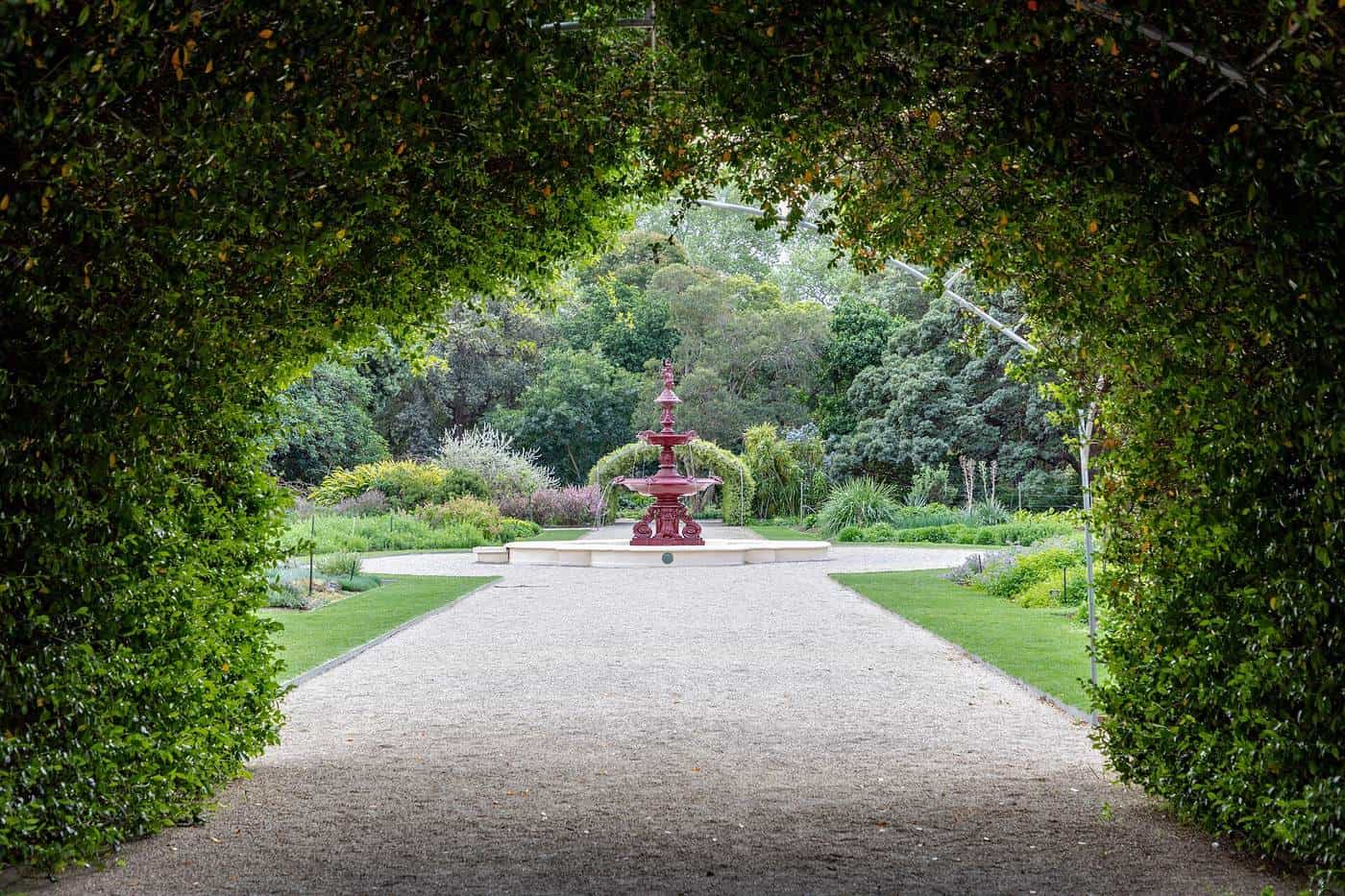
For example, Adelaide Botanic Garden's hours change with daylight saving, and the gardens say parking is free on Sundays and public holidays but charged at other times.
Step 4: plan the timing
- Start early. Children are often freshest in the morning, venues are quieter and summer heat is lower.
- Work around naps and meals. A hungry or overtired child can derail any plan.
- Keep it short for little ones. A morning is often plenty for toddlers.
- Build in breaks. Snack stops, a run-around and quiet time keep everyone going.
- Plan the exit. Leave while everyone's still having fun.
Step 5: plan getting there
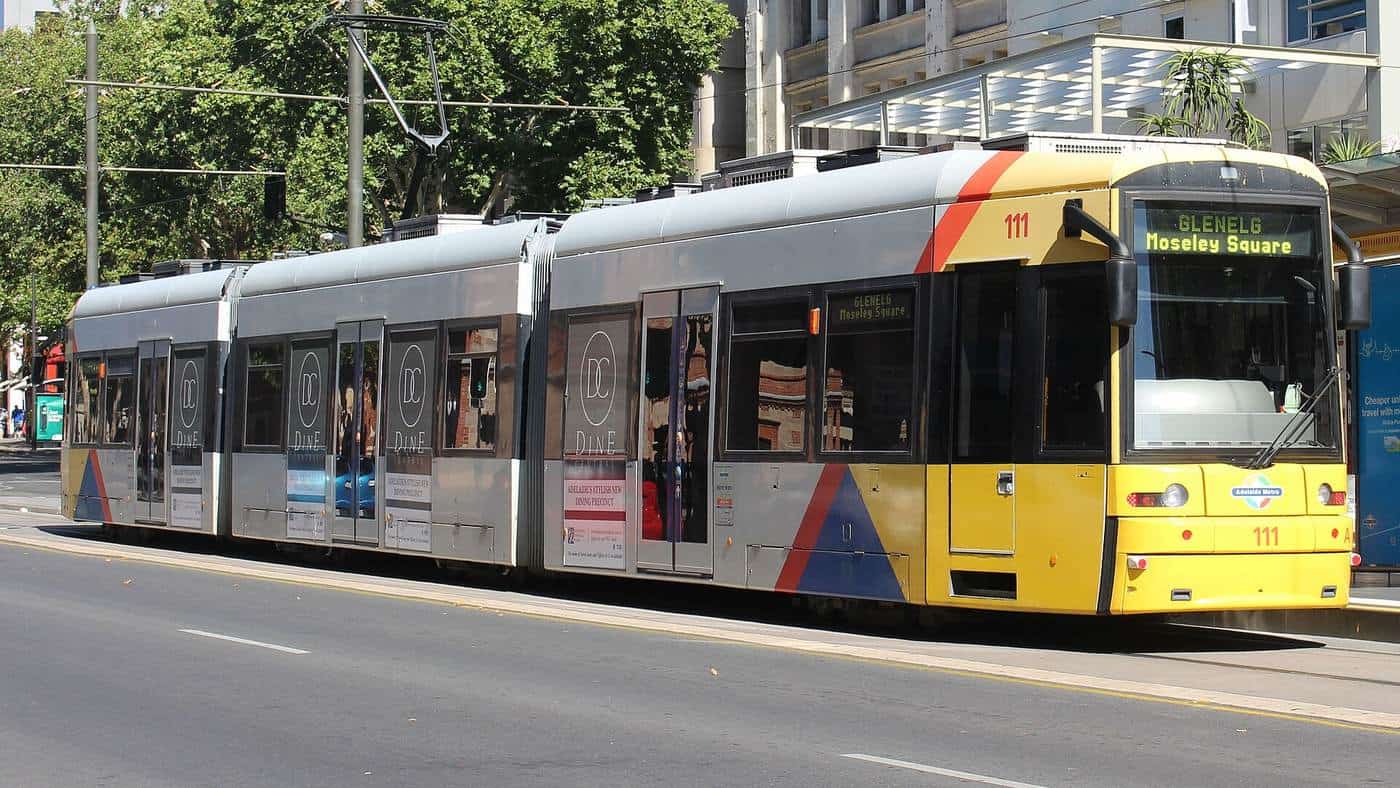
Public transport can be easier and cheaper than driving into the city. Adelaide Metro says children under 5 travel free with a parent or carer, and on weekends, SA school holidays and public holidays, two children under 15 can travel free with an adult using an adult Daytrip. City trams in the free zone and the city connector buses are free. See getting around with kids.
If you drive, check parking in advance. Popular spots like Waterfall Gully can fill up on weekends.
Step 6: pack well
A family day-out bag might include:
- water bottles and snacks (more than you think);
- sun protection: hats, sunscreen, sunglasses;
- a change of clothes for younger children;
- wipes, nappies and a small first-aid kit;
- a light jacket, since Adelaide weather can change;
- a rug for picnics;
- a bag for rubbish;
- a small activity for waiting times.
Pack the night before to avoid the morning scramble.
Step 7: set a budget
Many of Adelaide's best family outings are free: the Botanic Garden, the Art Gallery's general entry, beaches, parks and Waterfall Gully. Paid attractions, cafés and gift shops can add up quickly. Decide in advance what you'll spend, and tell children what to expect. Packing lunch saves more than almost anything else. See free days out.
Step 8: have a backup plan
Things change. A venue might be unexpectedly closed, the weather might turn or a child might be unwell. Have a simple plan B, such as an indoor venue nearby, a different park or a trip home for a movie afternoon. Flexibility is the secret of a good family day out.
Safety basics
- Agree on a meeting point at busy places.
- Supervise actively, especially near water. See beach and water safety.
- Make sure older children know your phone number.
- Carry any medications your family needs.
- Tell someone your plans if you're heading into the hills, as NPWS SA advises.
Make memories
Take a few photos, collect a leaf or a ticket stub, or ask everyone to name their favourite moment on the way home. Little rituals turn a day out into a family story.
Planning with additional needs
If someone in your family has a disability, sensory sensitivities or medical needs, a little extra planning helps:
- check venue accessibility information, such as lifts, ramps and accessible toilets;
- ask about quiet times or sensory-friendly sessions;
- look for Changing Places facilities if needed;
- prepare children with photos or videos of where you're going;
- bring familiar comfort items and any medication.
Many venues, such as the South Australian Museum and the Art Gallery of South Australia, publish accessibility information on their websites.
Planning with grandparents
Days out with grandparents can be special. Choose venues with seating, short walking distances and accessible facilities, plan a café stop and allow plenty of time. Seniors may have their own transport concessions; check Adelaide Metro's information.
Planning school holiday days
School holidays bring more crowds and more programs. Book ticketed activities early, go on weekdays where possible, and mix busy days with quieter ones at home or the local park.
After the day out
On the way home, ask everyone what they liked best and what they'd change. Note it down. Over time you'll build a list of family favourites, and a good sense of what works for your children at each age.
A sample half-day plan for young children
- 8.30am: breakfast and pack the bag.
- 9.15am: travel, ideally by tram or train.
- 9.45am: arrive as the venue opens.
- 10.45am: snack break.
- 11.15am: one more activity or a run-around.
- 12pm: lunch.
- 12.45pm: head home for a nap or quiet time.
Adjust the timings to suit your family, but keep the shape: early start, regular breaks and home before everyone is exhausted.
Key points
- Choose a destination that suits your children's ages and interests.
- Check the weather, UV and, for hills outings, the fire danger rating.
- Confirm hours, fees and facilities before you go.
- Start early, plan breaks and leave on a high.
- Pack well, set a budget and have a backup plan.
Frequently asked questions
How do I choose a day out for different ages?
Look for places with something for everyone, such as a museum with varied floors, a garden with open space, or a beach with shallow water and room to explore.
How can we keep costs down?
Choose free venues, pack food and water, use free city trams and buses, and take advantage of free child travel rules on Adelaide Metro.
What should we always check before going?
Opening hours, any fees, the weather and UV forecast, and in the warmer months, the fire danger rating for hills outings.
How long should a day out be with toddlers?
Often a morning is plenty. Plan around naps and meals and leave before everyone is exhausted.
What if the weather turns?
Have a backup. North Terrace’s museum, gallery and library are close together and good in wet or very hot weather.
Sources and further reading
Facts on this page were checked against these primary and official sources. Conditions change — confirm before you travel or buy.
- Free and special services — Adelaide Metro
- Student metroCARD and free travel — Adelaide Metro
- Waterfall Gully — National Parks and Wildlife Service South Australia
- Opening hours — Cleland Wildlife Park
- UV Index — Cancer Council Australia
- Adelaide Botanic Garden: plan your visit — Botanic Gardens and State Herbarium