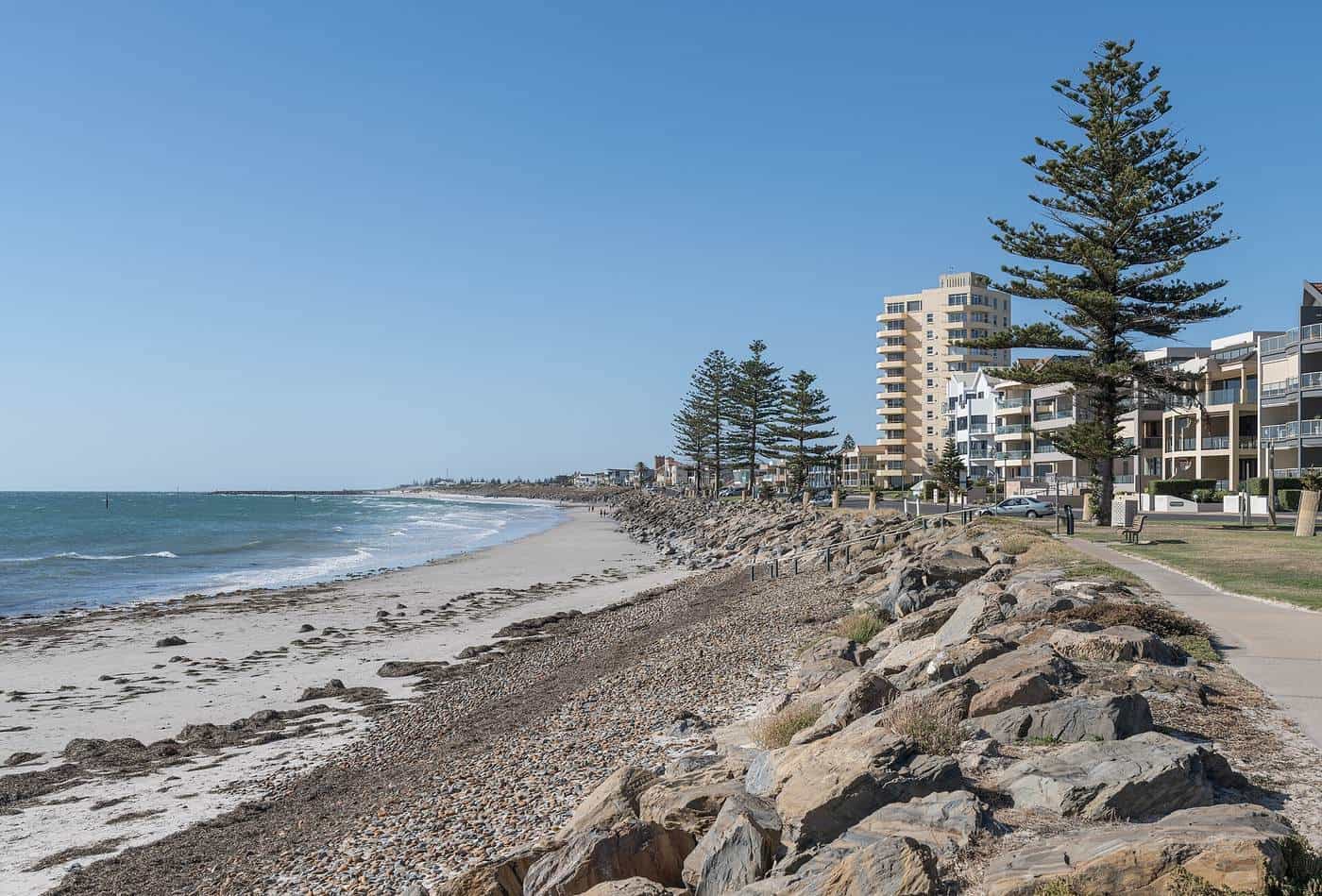
Adelaide's metropolitan coastline stretches for kilometres along Gulf St Vincent, with sandy beaches, jetties and seaside suburbs from the north to the south. For families, the beach is the classic free day out: room to run, sand to dig and, on the right day, calm water to paddle in. With a little planning, it can also be one of the most relaxed.
This guide covers choosing a beach, getting there, timing your visit and what to pack. For swimming safety in detail, read our companion guide to beach and water safety.
Choosing a beach
Every beach is different, and conditions change from day to day. When you're choosing where to go with children, think about:
- Patrols. In the warmer months, a beach patrolled by lifesavers or lifeguards adds an important layer of safety. Surf Life Saving SA says its 23 affiliated clubs patrol every Saturday, Sunday and public holiday from approximately October to March, with dates varying from year to year. It points visitors to the BeachSafe app and website to see which beaches are patrolled.
- Facilities. Toilets, showers, shade, a kiosk or café and a playground nearby make a big difference with young children.
- Access. Consider parking, how far you'll have to carry gear, and whether there are ramps or paths if you're bringing a pram or wheelchair.
- Crowds. Popular beaches can be very busy on hot weekends. That can be fun, but it also makes keeping track of children harder.
- Your children's ages and abilities. Toddlers need shallow, gentle water and constant supervision; confident older swimmers may enjoy a little more surf, always between the flags.
Glenelg: the tram-to-the-beach classic
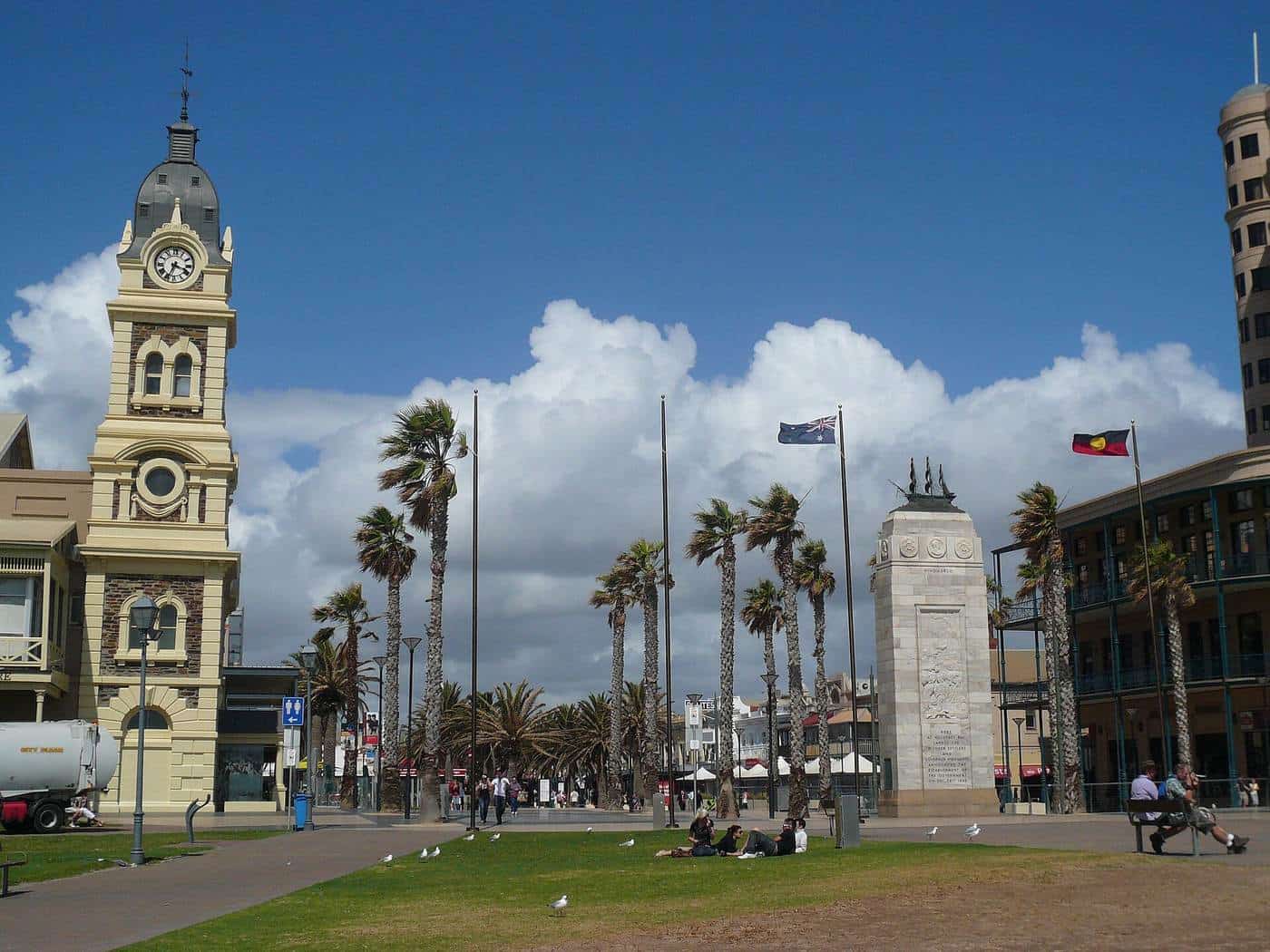
Glenelg is Adelaide's best-known beach suburb, and getting there is part of the fun. Trams run from the city to Moseley Square near the jetty. Adelaide Metro says city trams are free within the city free zone, and the Jetty Road section between Brighton Road and Moseley Square is also free; you'll need a fare for the stretch in between.
There are useful savings for families. Adelaide Metro says children under 5 travel free with a parent or carer, and on weekends, SA school holidays and public holidays, two children under 15 travel free with an adult using an adult Daytrip. See getting around with kids.
Surf Life Saving SA says the Australian Lifeguard Service provides lifeguards at Glenelg beach, with mobile and outpost services to Seacliff, from December to the end of March. Outside those times, rely on the volunteer patrol schedule or choose another option.
Jetties
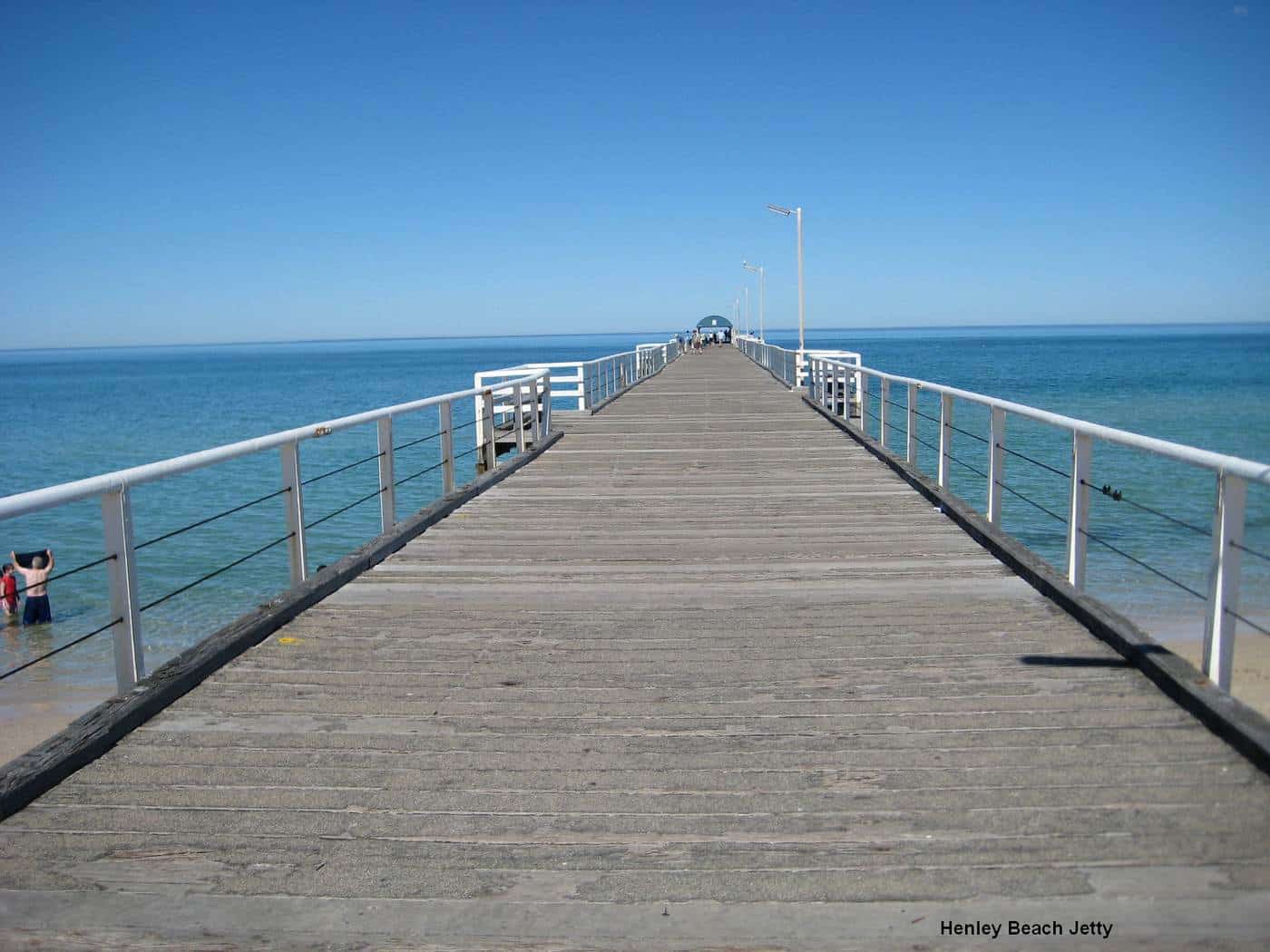
Adelaide's jetties, such as those at Glenelg and Henley Beach, are popular for a stroll, a spot of fishing or watching the water. With children:
- hold hands with younger kids and keep a close eye on older ones;
- stay well back from edges without rails;
- watch for people fishing, hooks and lines;
- follow any signs about jumping or diving, and never jump where it isn't allowed or water depth is unknown.
Timing your visit
In summer, the middle of the day brings the strongest sun. Cancer Council Australia says peak UV hours are usually between 10am and 4pm, and that sun protection is needed whenever the UV Index is 3 or above. Many families find early morning or late afternoon the most comfortable time for a beach visit, with the bonus of fewer crowds.
Check the weather forecast, the UV forecast and, if you're planning to swim, conditions such as wind and waves. Strong onshore winds can make the beach unpleasant and the water choppy.
Patrolled hours matter too. If you want to swim between the flags, make sure you arrive while the patrol is on.
What to pack
A good beach bag for a family day might include:
- broad-brimmed hats, sun-protective swimwear or rash vests, and sunglasses;
- SPF 50 or higher broad-spectrum, water-resistant sunscreen;
- a beach tent, umbrella or shade shelter;
- plenty of water and snacks;
- towels and a change of clothes;
- buckets, spades and a ball;
- a small first-aid kit;
- a bag for rubbish, so you leave nothing behind.
Our guide to sun safety for kids explains how to make sun protection a habit rather than a battle.
Keeping track of children
Busy beaches make it easy for children to wander. Agree on a landmark meeting point, such as a lifesaving tower or a distinctive building, as soon as you arrive. Dress younger children in bright colours that are easy to spot. If a child does go missing, alert lifesavers or lifeguards straight away, as they are trained to help.
Most importantly, always actively supervise children in and near the water. Being nearby isn't the same as watching. See beach and water safety.
Beyond swimming
Not every beach day needs a swim. Rock pools, shell collecting, sandcastle competitions, kite flying and a walk along the esplanade can fill hours. On cooler days, the beach can be a lovely place for a picnic and a run around, without the summer crowds.
Respect the coastal environment too: stay on paths through dunes, don't disturb wildlife and take your rubbish home.
A simple beach day plan
- Check the weather, UV and patrol information.
- Pack sun protection, shade, water and snacks.
- Catch the tram or drive early.
- Set up near the flags if you plan to swim, and agree on a meeting point.
- Swim between the flags with active supervision.
- Retreat to shade in the middle of the day, or head home before the hottest part.
Our day out finder can suggest a beach day or other ideas depending on the weather and your children's ages.
Beaches through the year
Adelaide's beaches aren't just for summer. In the cooler months, a beach walk, a fish and chips lunch (or a packed one) and a play on the sand can be a lovely outing without the crowds. Patrols are generally only from about October to March, so keep cooler-season visits to paddling and play rather than swimming.
Toddlers at the beach
Very young children can be overwhelmed by waves, wind and hot sand. Choose a calm day, arrive early, set up shade straight away and bring a bucket of water from the sea for safe, splashy play on the sand. Stay within arm's reach whenever they're near the water, even in very shallow water.
Teens at the beach
Older children and teens may want to go with friends. Before they do, make sure they know the essentials: swim between the flags, never swim alone, avoid swimming after dark, and know where the lifesavers are. Agree on check-in times.
Leave no trace
Before you leave, do a quick sweep of your spot for rubbish, toys and lost hats. Fill in holes dug in the sand, which can be a trip hazard for others.
Key points
- Surf Life Saving SA clubs patrol on weekends and public holidays from about October to March.
- Glenelg has lifeguards from December to the end of March, according to Surf Life Saving SA.
- Trams run to Glenelg; the city free zone and the Jetty Road section are free.
- Avoid the strongest sun; peak UV hours are usually 10am to 4pm.
- Always actively supervise children in and near the water.
Frequently asked questions
When are Adelaide beaches patrolled?
Surf Life Saving SA says its clubs patrol on Saturdays, Sundays and public holidays from about October to March, with start and finish dates varying each year.
Are there lifeguards at Glenelg?
Surf Life Saving SA says the Australian Lifeguard Service provides a lifeguard service at Glenelg beach, with mobile and outpost services through to Seacliff, from December to the end of March.
Can we take the tram to the beach?
Yes. Trams run between the city and Glenelg. Fares apply outside the free zones; the Jetty Road section between Brighton Road and Moseley Square is free.
What is the best time for a beach day with kids?
Morning or late afternoon is often best in summer, to avoid the strongest sun. Cancer Council says peak UV hours are usually between 10am and 4pm.
Where can I check which beaches are patrolled?
Surf Life Saving SA points people to the BeachSafe app and website for information about patrolled beaches.
Sources and further reading
Facts on this page were checked against these primary and official sources. Conditions change — confirm before you travel or buy.
- Lifesaving services — Surf Life Saving South Australia
- Free and special services — Adelaide Metro
- Student metroCARD and free travel — Adelaide Metro
- UV Index — Cancer Council Australia