Beaches, pools, rivers and lakes are some of the best places for a family day out, but water can be dangerous, especially for children. Most water safety comes down to a few simple habits: choose a patrolled beach, swim between the flags, supervise actively and know what to do if something goes wrong. This guide sets out those habits for families in South Australia.
It's general information. For local conditions and patrol details, use the resources Surf Life Saving SA recommends, such as the BeachSafe app and website.
Choose a patrolled beach
Surf Life Saving South Australia (SLSSA) says its 23 affiliated clubs patrol every Saturday, Sunday and public holiday from approximately October to March, with start and finish dates varying from year to year. It says more than 9,000 members volunteer to protect locals and visitors along the coast.
In some places there are paid lifeguards too. SLSSA says the Australian Lifeguard Service provides lifeguards at Glenelg beach, with mobile and outpost services through to Seacliff, from December to the end of March, and at Goolwa Beach during the January school holidays.
Outside patrol times and seasons, there's no one watching. If you do visit an unpatrolled beach, take extra care, stay in the shallows and consider not swimming at all.
Swim between the red and yellow flags
On a patrolled beach, the red and yellow flags mark the area where lifesavers are watching. Always swim between them. If there are no flags, the beach isn't being patrolled.
Teach children the rule early, and make it non-negotiable. Pointing out the flags as soon as you arrive, and setting up nearby, makes it easy to stick to.
Talk to the lifesavers
SLSSA says patrols are there to provide information and first aid as well as to assist in rescues, and encourages people never to be afraid to approach a surf lifesaver with a question. Ask about conditions, where the safest spot for children is today, or anything else you're unsure of. Children often love meeting lifesavers, and it helps them know who to go to if they get lost.
Active supervision
Active supervision means watching children continuously, staying close and being ready to act. For young children and weaker swimmers, that means being within arm's reach in the water. Even confident older children need someone watching from the shore.
Tips:
- Take turns as the designated watcher, so someone is always focused on the water.
- Put the phone away while you're watching.
- Count heads regularly.
- Get in the water with younger children rather than watching from the sand.
- Don't rely on flotation toys, which can drift away or tip over.
Understand the conditions
Conditions at the beach change with the weather, tide and wind. Before swimming:
- look at the water for a few minutes;
- read the safety signs at the beach entrance;
- check the flags and any warnings from lifesavers;
- ask a lifesaver if you're unsure.
Rip currents, strong currents that flow away from the shore, are a hazard at many Australian beaches. They can be hard to spot. Swimming between the flags, where lifesavers have chosen the safest area, is the best way to avoid them. Teach older children that if they're caught in a current, they should stay calm, float and raise an arm to signal for help.
Jetties and rocks
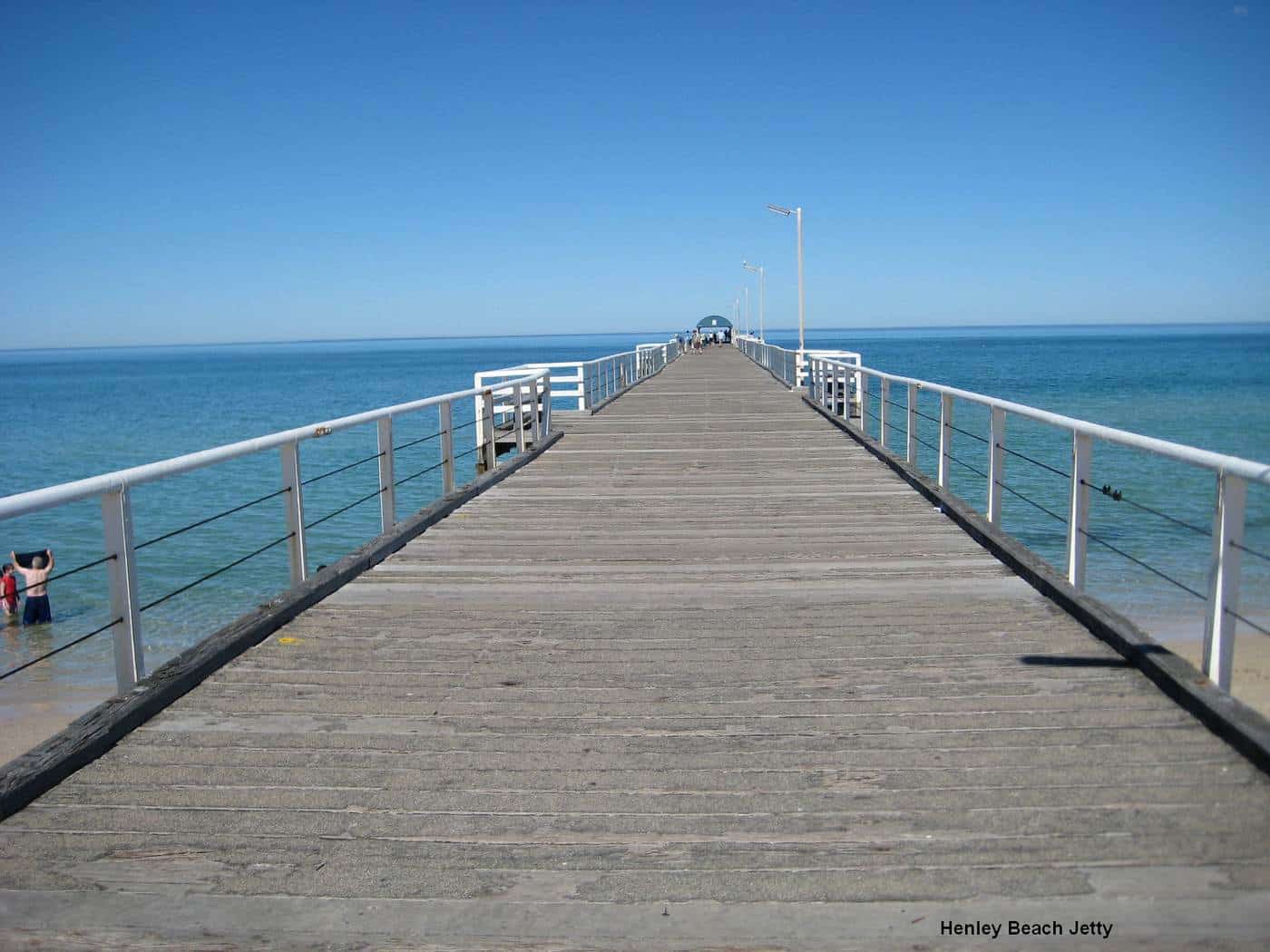
Jetties are popular with families, but they come with their own risks. Keep young children close and away from edges without rails, watch out for fishing lines and hooks, and follow signs about jumping. Rocks and rock platforms can be slippery and exposed to waves; keep well back, and never turn your back on the sea.
Beyond the beach
Water safety applies everywhere:
- Pools: supervise children constantly, even in shallow water.
- Rivers and lakes: water can be cold, murky and deeper than it looks, with hidden snags.
- Waterfalls and creeks: follow park rules. At Waterfall Gully, for example, NPWS SA says swimming at the base of the waterfall isn't permitted.
Sun and heat
A beach day means hours in the sun. Cancer Council Australia recommends sun protection whenever the UV Index is 3 or above, with peak UV usually between 10am and 4pm. Pack shade, hats, rash vests and SPF 50+ sunscreen, and keep everyone hydrated. See sun safety for kids.
Lost children
Agree on a meeting point as soon as you arrive, such as the lifesaving flags or patrol tower. Dress young children in bright colours. If a child goes missing, alert lifesavers or lifeguards immediately; they can help search and communicate along the beach.
In an emergency
If someone is in trouble in the water:
- Alert a lifesaver or lifeguard if one is nearby.
- Call Triple Zero (000).
- If you can, throw something that floats to the person, but don't put yourself at risk.
Learning CPR and first aid is one of the most valuable things a parent can do. Courses are widely available.
Swimming lessons
Swimming and water safety lessons give children skills and confidence. They don't replace supervision, but they help children understand the water and what to do if they get into difficulty.
Water safety by age
Babies and toddlers
Young children can get into trouble in very shallow water, quickly and silently. Stay within arm's reach at all times in and near water, including at the beach's edge, in rock pools and in splash areas. Never leave a young child in the care of another child.
School-age children
Children who can swim at a pool may still struggle in the sea, where waves, currents and cold water change things. Keep them between the flags, set clear boundaries for how deep they can go and keep watching.
Teens
Teens may overestimate their ability or take risks with friends. Talk about the dangers of swimming alone, swimming at unpatrolled beaches, jumping from jetties or rocks, and swimming after dark. Make sure they know how to signal for help.
Bodyboards and inflatables
Bodyboards can be fun for older children between the flags, but inflatable toys can be blown out to sea by offshore winds. Use them only in calm, shallow water with close supervision, and never chase one that floats away.
Rock pools
Rock pools are fascinating for children but can be slippery and exposed to waves. Wear shoes with grip, go at low tide in calm conditions, keep young children close and look without removing creatures.
Know your limits
As adults, we're role models. Don't swim beyond your ability, avoid alcohol around water when supervising children, and if you're unsure about conditions, stay out of the water or ask a lifesaver.
A quick beach safety checklist
- Check patrol times and conditions before you go.
- Set up near the red and yellow flags.
- Agree on a meeting point.
- Read the safety signs.
- Swim between the flags, with active supervision.
- Pack sun protection and water.
- Know how to call for help.
Key points
- SA lifesavers patrol weekends and public holidays from about October to March.
- Always swim between the red and yellow flags.
- Supervise actively and stay within arm's reach of young children.
- Ask lifesavers about conditions; they're there to help.
- In an emergency, alert a lifesaver and call Triple Zero (000).
Frequently asked questions
Why should we swim between the red and yellow flags?
The flags mark the area patrolled by lifesavers or lifeguards, where they are watching and can respond quickly.
When do lifesavers patrol SA beaches?
Surf Life Saving SA says its clubs patrol on Saturdays, Sundays and public holidays from about October to March, with dates varying each year.
Can I ask a lifesaver for advice?
Yes. Surf Life Saving SA encourages people to approach lifesavers with questions; patrols provide information and first aid as well as rescues.
How should I supervise children at the beach?
Stay within arm’s reach of young children in and near the water, and keep watching older children at all times. Avoid distractions like phones.
What should I do in an emergency?
Alert a lifesaver or lifeguard if one is nearby, and call Triple Zero (000) in an emergency.
Sources and further reading
Facts on this page were checked against these primary and official sources. Conditions change — confirm before you travel or buy.
- Lifesaving services — Surf Life Saving South Australia
- UV Index — Cancer Council Australia
- Waterfall Gully — National Parks and Wildlife Service South Australia