Ask most young children what they'd like to do on the weekend and the answer will often be "the playground". Parks are free, close to home and endlessly repeatable, and they give adults a chance to sit down for five minutes. Adelaide is well served: the city centre is ringed by the Adelaide Park Lands, and suburban councils look after a huge number of reserves and playgrounds.
This guide helps you choose a park that suits your family, plan a comfortable visit and be a good neighbour to other park users. We don't rank individual playgrounds, because facilities change and councils regularly upgrade them, but we do suggest what to look for and where to find up-to-date information.
Start with your council
Your local council is the best source of information about its parks. Most council websites list parks and playgrounds with a map, and many note facilities such as toilets, barbecues, shade sails, fencing, accessible equipment and dog rules. Some highlight newer "destination" playgrounds designed for longer visits.
If you're visiting another part of Adelaide, look up that area's council in the same way. A few minutes of research can save a long drive to a playground that's closed for renovation or lacks the toilets you need.
What to look for
For toddlers and preschoolers
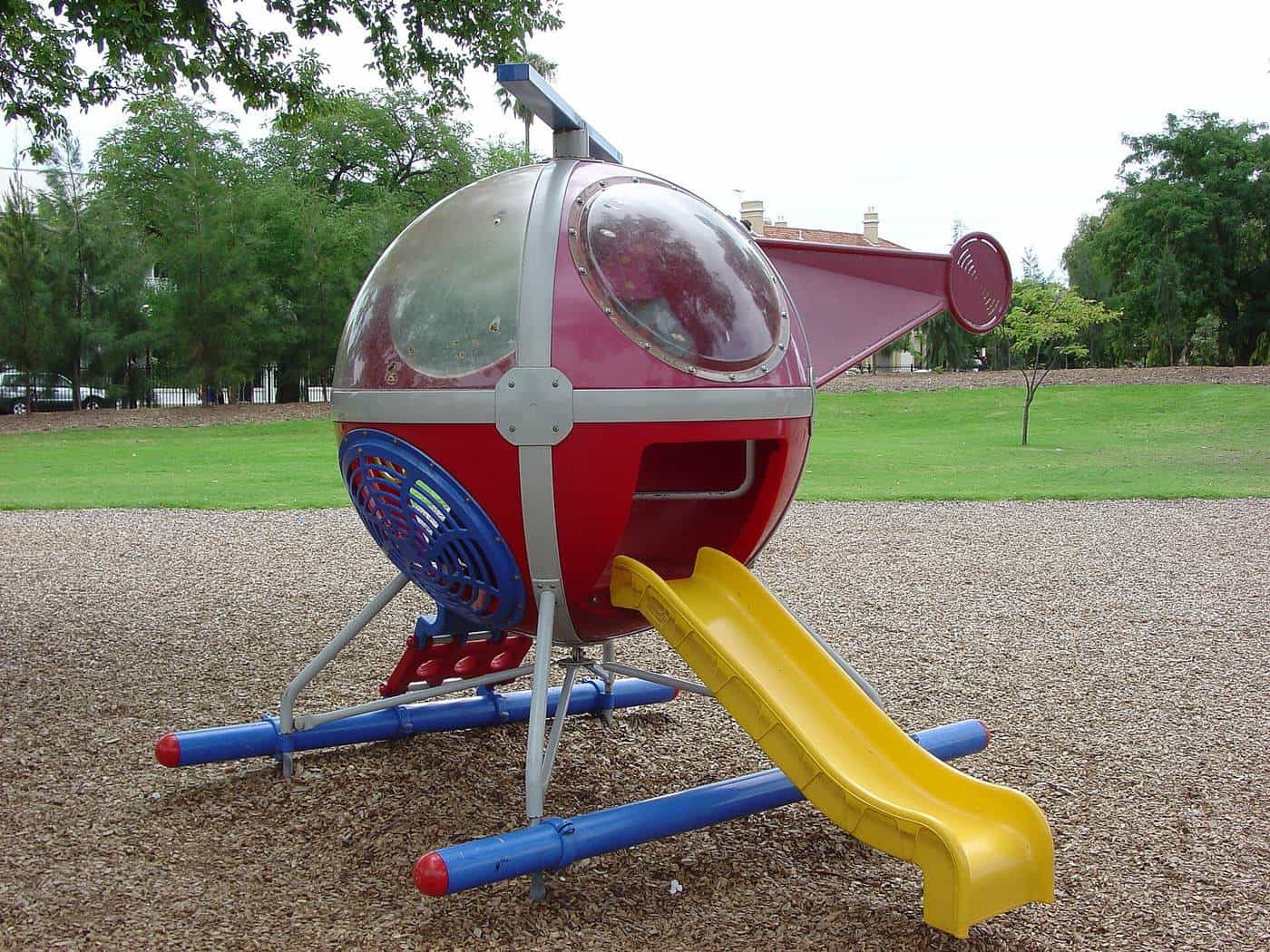
- Low, age-appropriate equipment with small steps, short slides and baby swings.
- Soft fall surfaces such as rubber matting, bark or sand.
- Fencing, which makes it much easier to keep track of a child who likes to run.
- Shade, from trees or shade sails, over at least part of the play area.
- Toilets and baby change facilities within easy reach.
- Somewhere to sit where you can see the whole play area.
For school-age children
- More challenging equipment, such as climbing nets, flying foxes and taller slides.
- Open space for ball games, scooters and running.
- Bike paths or tracks nearby.
- Nature play areas with logs, rocks, water or sand to build and explore.
For mixed ages
If you have children of different ages, look for parks with separate areas for younger and older children within sight of each other. A central picnic spot lets you keep an eye on both.
Parks in and near the city
If you're spending the day in central Adelaide, there's plenty of green space close by.
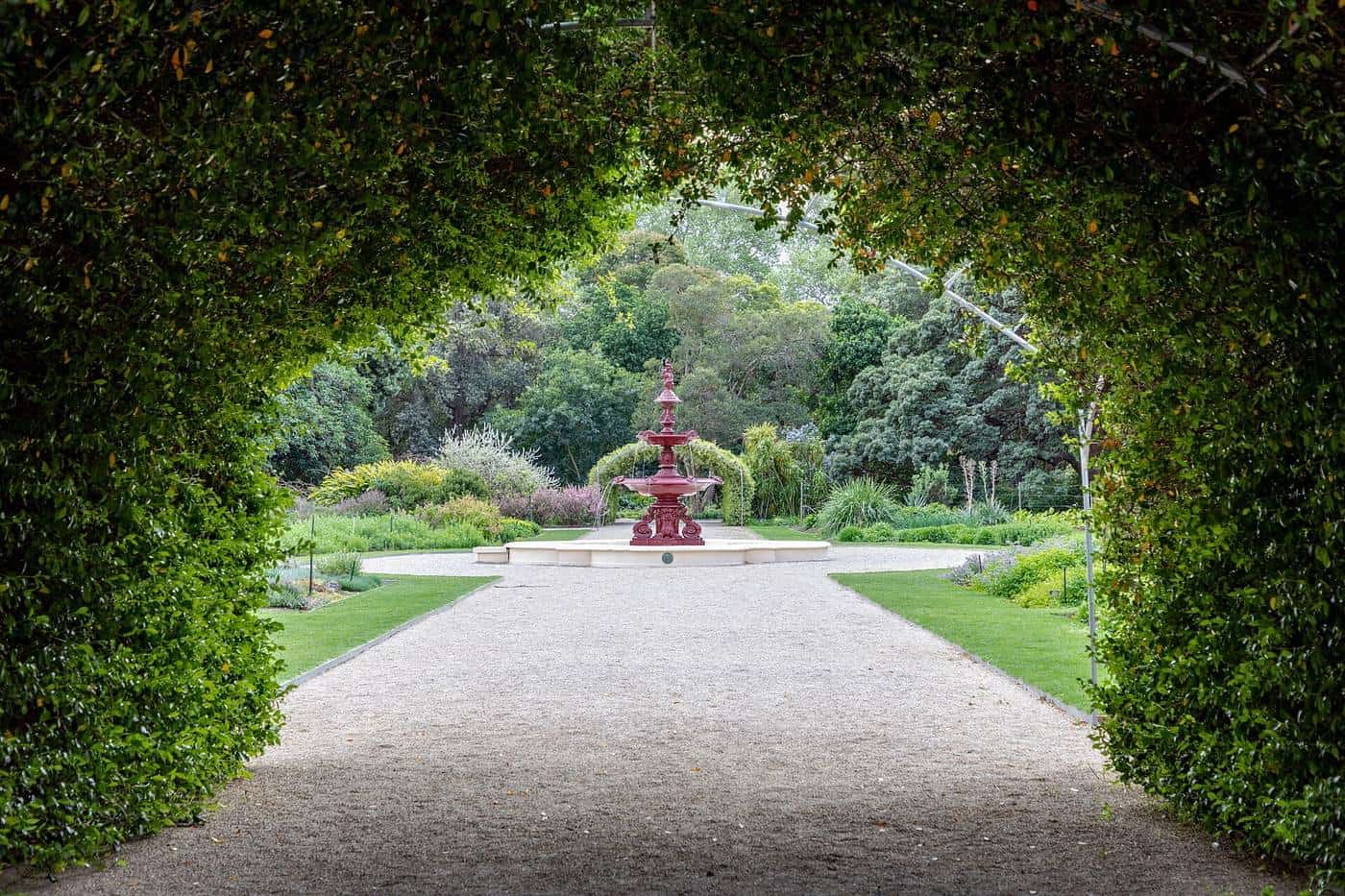
- Botanic Park and Adelaide Botanic Garden. The Botanic Garden is free to enter during the day and open every day of the year. It's a garden rather than a playground, with rules to protect the plant collections: no bikes, scooters, ball games, tree climbing or pets. Neighbouring Botanic Park offers open lawns for picnics. See the Botanic Garden with kids.
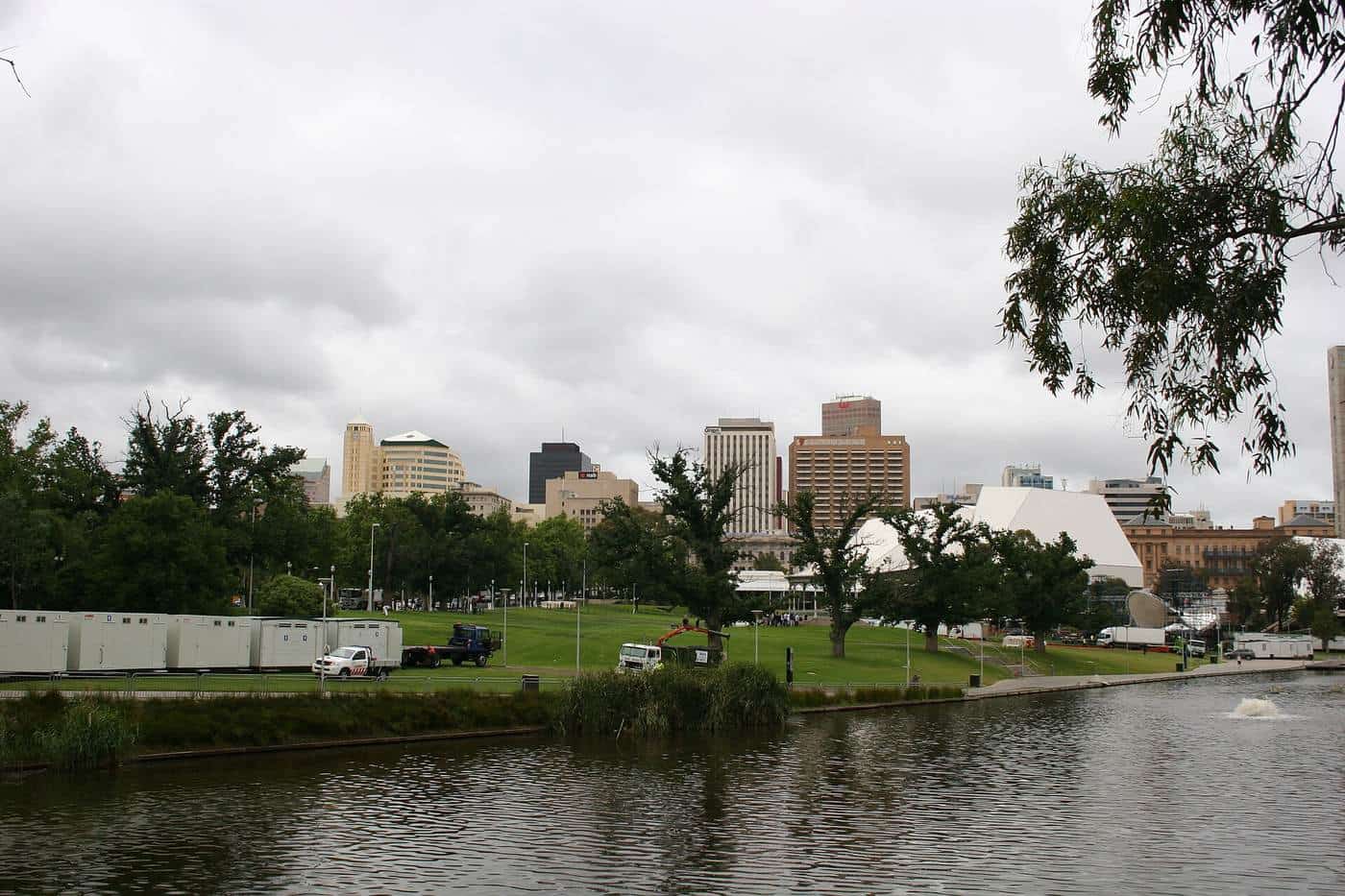
- The riverbank. The River Torrens and Elder Park area near the city centre is a pleasant place for a walk and a picnic, with views of the city skyline.
- The Park Lands. The Park Lands that surround the city include playgrounds and open spaces. North Adelaide's Glover Playground, for example, has a long history as a children's playground; check the City of Adelaide's website for current facilities.
The free city connector buses and city free tram zone make it easy to hop between these areas without a car. See getting around with kids.
Planning a comfortable visit
A few simple things make a park visit much more pleasant:
- Pack water and snacks. Even a short visit makes children thirsty.
- Bring sun protection. Cancer Council Australia says sun protection is needed whenever the UV Index is 3 or above, and UV can be high on cool or cloudy days. Hats, sunscreen and shade go a long way. See sun safety for kids.
- Check equipment in summer. Metal slides and dark surfaces can get very hot in the sun. Touch them before your child does.
- Go early or late on hot days.
- Bring a change of clothes for younger children, especially if there's water or sand play.
- Take a ball or a kite for open spaces.
A picnic in the park
A picnic turns a playground visit into a proper day out. Keep it simple: sandwiches, fruit, a frozen water bottle to keep things cool, a rug and a bag for rubbish. Look for a spot with shade and a view of the play area. Some parks have barbecues, which councils usually provide on a first-come, first-served basis. Remember that rules vary: Adelaide Botanic Garden, for example, doesn't allow barbecues or portable gas cookers inside the garden.
Park etiquette
Parks work best when everyone looks out for each other:
- take turns on popular equipment and encourage children to share;
- keep bikes and scooters away from toddler areas;
- follow the rules on dogs, and pick up after your dog where they're allowed;
- take your rubbish with you, or use the bins provided;
- respect wildlife and plants;
- be mindful of noise near neighbouring homes.
Safety basics
Playground injuries are usually minor, but active supervision makes a real difference, especially for younger children. Stay close enough to help, choose equipment suited to your child's age and ability, and teach children to use equipment the right way: feet first down slides, sitting on swings, and no pushing on platforms. If you notice broken or unsafe equipment, report it to the council.
Make it an adventure
Even a familiar playground can feel new with a little imagination. Try a nature scavenger hunt (a feather, a gum nut, something red), a picnic breakfast, a "new playground" challenge where you visit a different one each week, or a bike ride to a park a little further away.
Our day out finder includes park and picnic ideas alongside other free options.
Inclusive and accessible playgrounds
Many councils have built or upgraded playgrounds to be more inclusive, with features such as wheelchair-accessible paths and equipment, sensory play elements, quiet spaces and accessible toilets. If someone in your family has specific needs, check the council's park information or contact the council to ask what's available. Changing Places facilities, which include adult change tables and hoists, are available at some locations; Adelaide Botanic Garden, for example, has one (an MLAK key is required).
Water play and splash pads
On hot days, water play areas can be a big hit with younger children. Check whether they're operating, as some run only in warmer months or at set times, and bring swimmers, towels and a change of clothes. Supervise closely, even in very shallow water.
Seasonal tips
- Summer: go early or late, choose shady parks and check equipment for heat before children use it.
- Autumn: often the most comfortable season for long park days and picnics.
- Winter: pick sunny, sheltered spots, dress in layers and bring a towel for damp equipment.
- Spring: a great time for nature play and spotting birds, but pack hay fever remedies if anyone needs them.
When it's time to go
Leaving the playground can be the hardest part of the day. Give a five-minute warning, offer a "last slide" or "last swing", and have a snack or something to look forward to ready for the trip home.
Key points
- Check your council's website for current park facilities and rules.
- For toddlers, look for fencing, shade, soft fall surfaces and nearby toilets.
- Botanic Park and the riverbank are handy green spaces near the city centre.
- Bring water, snacks and sun protection, and check equipment for heat in summer.
- Share equipment, follow dog rules and take your rubbish home.
Frequently asked questions
How do I find a playground near me?
Your local council’s website usually lists its parks and playgrounds, often with a map and details of facilities.
What makes a playground good for toddlers?
Low equipment, soft fall surfaces, shade, nearby toilets and, ideally, fencing to stop little ones wandering off.
Can I bring my dog to the park?
It depends on the park and council rules. Some parks allow dogs on a lead, some have off-lead areas and others ban dogs. Adelaide Botanic Garden doesn’t allow dogs.
Are there parks in central Adelaide?
Yes. The Adelaide Park Lands surround the city centre, and areas such as Botanic Park and the riverbank around Elder Park are close to the CBD.
How do I keep kids safe at playgrounds?
Supervise actively, choose equipment suited to their age, check surfaces for heat in summer and make sure they wear sun protection.
Sources and further reading
Facts on this page were checked against these primary and official sources. Conditions change — confirm before you travel or buy.
- Adelaide Botanic Garden: plan your visit — Botanic Gardens and State Herbarium
- Free and special services — Adelaide Metro
- UV Index — Cancer Council Australia